Fun Active Play: Building Confidence in Children
- admin635902
- Apr 18
- 5 min read
Updated: Apr 26
In a world where screens dominate our children's attention, the importance of active play cannot be overstated. Active play not only promotes physical health but also plays a crucial role in building confidence in children. Engaging in fun, active play helps children develop essential life skills, fosters social connections, and boosts their self-esteem. This blog post explores the various ways active play contributes to a child's confidence and offers practical tips for parents and caregivers to encourage this vital aspect of childhood.
The Importance of Active Play
Active play is any form of physical activity that is enjoyable and engaging for children. It can take many forms, from running and jumping to playing sports or dancing. The benefits of active play extend beyond physical fitness; it is a fundamental component of healthy child development. Here are some key reasons why active play is essential:
Physical Health Benefits
Improved Fitness: Regular physical activity helps children maintain a healthy weight and develop strong muscles and bones.
Coordination and Balance: Activities like climbing, jumping, and running enhance motor skills and coordination.
Reduced Risk of Chronic Diseases: Active children are less likely to develop conditions such as obesity, diabetes, and heart disease later in life.
Emotional and Social Development
Building Confidence: Successfully mastering a new skill or overcoming a challenge during play boosts a child's self-esteem.
Social Skills: Playing with peers teaches children how to communicate, cooperate, and resolve conflicts.
Stress Relief: Physical activity is a natural way to reduce stress and anxiety, helping children feel more relaxed and confident.
Cognitive Development
Problem-Solving Skills: Many active play scenarios require children to think critically and make quick decisions, enhancing their cognitive abilities.
Creativity: Unstructured play encourages children to use their imagination, fostering creativity and innovation.
Types of Active Play
Active play can take many forms, and it's essential to provide children with a variety of options to keep them engaged. Here are some popular types of active play:
Outdoor Play
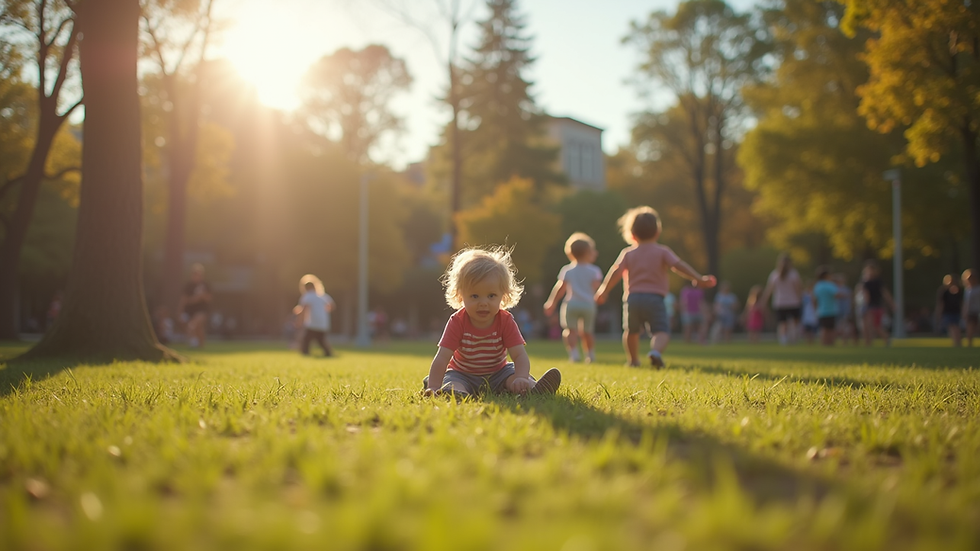
Outdoor play is one of the most effective ways to encourage active play. Parks, playgrounds, and open spaces provide ample opportunities for children to run, climb, and explore. Activities like tag, hide and seek, and nature scavenger hunts can be both fun and physically engaging.
Sports and Organized Activities
Joining a sports team or participating in organized activities can help children develop specific skills while also promoting teamwork and discipline. Sports such as soccer, basketball, and swimming not only improve physical fitness but also instill a sense of accomplishment.
Dance and Movement
Dance is a fantastic way for children to express themselves while being physically active. Whether it's a structured dance class or just dancing around the living room, movement to music can boost mood and confidence.
Creative Play
Encouraging children to engage in creative play, such as building forts or obstacle courses, allows them to use their imagination while being active. This type of play can be done indoors or outdoors and often involves physical challenges that build confidence.
Encouraging Active Play at Home
As parents and caregivers, you play a vital role in fostering an environment that encourages active play. Here are some practical tips to help your children engage in fun, active play:
Create a Safe Play Environment
Ensure that your home and yard are safe spaces for active play. Remove any hazards and provide equipment like balls, jump ropes, and climbing structures. A safe environment allows children to explore and take risks, which is essential for building confidence.
Limit Screen Time
Set boundaries on screen time to encourage more active play. The American Academy of Pediatrics recommends limiting screen time for children aged 2 to 5 to one hour per day. Use this time to engage in physical activities together as a family.
Be a Role Model
Children often mimic the behavior of adults. Show your enthusiasm for active play by participating in activities with your children. Whether it's going for a bike ride, playing catch, or dancing in the living room, your involvement can inspire them to be more active.
Encourage Social Play
Organize playdates or group activities that allow children to interact with their peers. Social play not only makes active play more enjoyable but also helps children develop important social skills.
Provide Opportunities for Exploration
Encourage your children to explore their surroundings. Take them to parks, nature trails, or community events that promote active play. Exposure to different environments can spark their interest in various activities.
The Role of Schools and Communities
Schools and communities also play a crucial role in promoting active play among children. Here are some ways they can contribute:
Physical Education Programs
Schools should prioritize physical education programs that teach children the importance of staying active. These programs can introduce children to various sports and activities, helping them discover their interests.
Community Events
Local communities can organize events that promote active play, such as fun runs, sports tournaments, or outdoor festivals. These events provide children with opportunities to engage in physical activities while fostering a sense of community.
Safe Play Spaces
Investing in safe, accessible play spaces is essential for encouraging active play. Communities should ensure that parks and recreational areas are well-maintained and equipped with age-appropriate play structures.
Overcoming Barriers to Active Play
While the benefits of active play are clear, some barriers may prevent children from engaging in physical activities. Here are some common challenges and how to overcome them:
Lack of Time
Busy schedules can make it challenging for families to prioritize active play. To address this, try to incorporate physical activity into daily routines. For example, walk or bike to school instead of driving, or schedule family playtime on weekends.
Safety Concerns
Parents may worry about their children's safety during active play. To alleviate these concerns, supervise outdoor play and teach children about safety rules. Encourage them to play in safe environments and wear appropriate gear for activities.
Limited Access to Facilities
Not all families have access to parks or recreational facilities. In such cases, get creative with home-based activities. Use your backyard or living room for games and exercises that require minimal equipment.
Conclusion
Active play is a vital component of childhood that significantly contributes to building confidence in children. By encouraging physical activity through various forms of play, parents, caregivers, and communities can help children develop essential skills, foster social connections, and boost their self-esteem.
As you consider ways to incorporate more active play into your child's life, remember that the goal is to make it fun and engaging. By creating a supportive environment and providing opportunities for exploration, you can help your child thrive both physically and emotionally. So, get out there, play, and watch your child's confidence soar!

Comments